
Exploring Our Lil Farm's Sustainable Homesteading Journey
Welcome to our journey of sustainable homesteading at Our Lil Farm. Here, we embrace the beauty of nature while striving to live in harmony with it. Our goal is to create a self-sufficient lifestyle that not only nourishes our family but also respects the environment.
In this blog post, we will share our experiences, challenges, and successes in sustainable living. From growing our own food to raising animals, we hope to inspire you to consider your own journey toward sustainability.
The Beginning of Our Journey
Every journey starts with a single step. For us, that step was a desire to reconnect with nature. We wanted to grow our own food and reduce our reliance on store-bought products.
We began by researching sustainable practices. We learned about permaculture, organic gardening, and the importance of biodiversity. This knowledge fueled our passion and set the foundation for our homesteading adventure.
We found a small piece of land that felt just right. It was a blank canvas waiting for us to paint our sustainable dreams.
Creating a Sustainable Garden
One of the first projects we tackled was our garden. We wanted to grow a variety of fruits and vegetables to feed our family.
Choosing the Right Plants
We started by selecting plants that thrive in our climate. Some of our favorites include:
Tomatoes
Peppers
Zucchini
Carrots
Strawberries
We also planted herbs like basil, mint, and rosemary. These not only enhance our meals but also attract beneficial insects.
Implementing Companion Planting
To maximize our garden's potential, we practiced companion planting. This technique involves growing different plants together for mutual benefits. For example, we planted marigolds alongside our vegetables to deter pests.
This method has proven effective, and our garden flourished. We enjoyed fresh produce throughout the growing season, and we even had enough to share with friends and neighbors.
Raising Animals for Sustainability
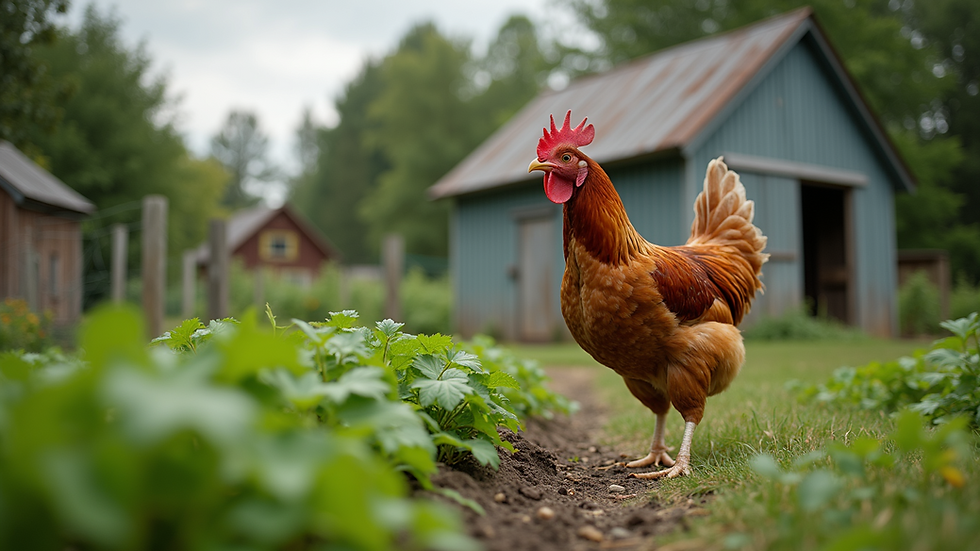
Alongside our garden, we decided to raise a few animals. Chickens were our first choice. They provide fresh eggs and help with pest control in the garden.
Building a Chicken Coop
We built a simple chicken coop using reclaimed materials. It was a fun project that involved the whole family. The coop is spacious enough for our hens to roam and lay eggs comfortably.
Benefits of Keeping Chickens
Having chickens has been a rewarding experience. Here are some benefits we have enjoyed:
Fresh eggs daily
Natural pest control
Fertilizer for the garden
We also love watching our chickens scratch and peck around the yard. They bring joy and life to our homestead.
Embracing Permaculture Principles
As we progressed, we learned more about permaculture principles. This approach focuses on creating sustainable ecosystems that mimic natural processes.
Designing Our Homestead
We designed our homestead with permaculture in mind. This involved zoning our property based on how we use it. For example, we placed our garden close to the house for easy access.
We also created swales to manage water runoff and improve soil health. These gentle ditches help capture rainwater and direct it to our plants.
Building Soil Health
Healthy soil is the foundation of a successful garden. We practice composting to enrich our soil. We collect kitchen scraps, yard waste, and even chicken manure to create nutrient-rich compost.
This practice has transformed our soil, making it more fertile and productive. Our plants thrive, and we have seen a significant increase in our harvest.
Water Conservation Techniques
Water is a precious resource, and we are committed to using it wisely. We implemented several water conservation techniques on our homestead.
Rainwater Harvesting
We installed rain barrels to collect rainwater from our roof. This water is used for irrigation during dry spells. It reduces our reliance on municipal water and helps us save money.
Drip Irrigation System
To further conserve water, we set up a drip irrigation system in our garden. This method delivers water directly to the roots of our plants, minimizing waste.
We have noticed a significant reduction in our water usage since implementing these techniques.
The Joy of Foraging
In addition to growing our own food, we enjoy foraging for wild edibles. This practice connects us with nature and provides additional food sources.
Identifying Edible Plants
We took the time to learn about local edible plants. Some of our favorites include:
Dandelion greens
Wild garlic
Blackberries
Fiddleheads
Foraging has become a fun family activity. We explore local parks and nature trails, searching for these delicious treasures.
Preserving Our Harvest
To make the most of our foraged finds, we learned how to preserve them. We can, dry, and freeze our harvests to enjoy throughout the year.
This not only reduces waste but also allows us to savor the flavors of each season.
Building Community Connections
Sustainable living is not just about self-sufficiency; it is also about community. We have made an effort to connect with others who share our values.
Joining Local Groups
We joined local homesteading and gardening groups. These communities provide support, resources, and friendship. We share tips, trade produce, and even help each other with projects.
Participating in Farmers Markets
We also participate in local farmers markets. This allows us to sell our surplus produce and connect with our community. It is rewarding to see others enjoy the fruits of our labor.
Overcoming Challenges
Our journey has not been without challenges. We have faced pests, weather fluctuations, and learning curves.
Dealing with Pests
Pests can be a significant issue for any gardener. We have learned to identify common pests and use natural methods to control them.
For example, we use neem oil and insecticidal soap to manage infestations. We also encourage beneficial insects like ladybugs to help keep pests in check.
Adapting to Weather Changes
Weather can be unpredictable. We have learned to adapt our gardening practices based on seasonal changes.
For instance, we use row covers to protect young plants from frost in the spring. During hot summer months, we provide shade for delicate crops.
Celebrating Our Successes
Despite the challenges, we have celebrated many successes on our homesteading journey.
Harvest Festivals
Each year, we host a harvest festival to celebrate our bounty. Friends and family gather to enjoy delicious food, share stories, and appreciate the fruits of our labor.
This event has become a cherished tradition, bringing joy and connection to our lives.
Personal Growth
Our journey has also led to personal growth. We have developed new skills, gained confidence, and fostered a deeper appreciation for nature.
Sustainable living has taught us the value of patience, hard work, and resilience.
Looking Ahead
As we continue our sustainable homesteading journey, we are excited about the future.
Expanding Our Homestead
We plan to expand our homestead by adding more fruit trees and exploring new gardening techniques. We are also considering raising goats for milk and companionship.
Sharing Our Knowledge
We want to share our experiences with others. We hope to inspire more people to embrace sustainable living.
Through workshops, blog posts, and community events, we aim to spread the message of sustainability and self-sufficiency.
Final Thoughts
Our Lil Farm's sustainable homesteading journey has been a rewarding adventure. We have learned so much about ourselves, our environment, and the importance of community.
We hope our story inspires you to explore your own path toward sustainability. Whether you have a small balcony or a large piece of land, there are countless ways to connect with nature and live more sustainably.
Together, we can create a healthier planet for future generations.


Comments