
How to Start Your Own Small Farm Homestead
Starting your own small farm homestead can be an exciting and rewarding journey. Imagine waking up to the sound of birds chirping, the sun rising over your fields, and the satisfaction of growing your own food. Whether you dream of raising chickens, growing vegetables, or creating a peaceful retreat, this guide will help you take the first steps toward your homesteading adventure.
In this post, we will explore the essential elements of starting a small farm homestead. From choosing the right location to planning your crops and livestock, we will cover everything you need to know to get started.
Choosing the Right Location
The first step in starting your small farm homestead is selecting the right location. Here are some factors to consider:
Soil Quality: Good soil is crucial for growing healthy plants. Test the soil to ensure it has the right nutrients and pH level.
Water Access: Make sure you have a reliable water source. This could be a well, a nearby stream, or a rainwater collection system.
Climate: Different crops thrive in different climates. Research what grows well in your area and choose crops that suit your local weather conditions.
Zoning Laws: Check local regulations regarding farming. Some areas have restrictions on livestock or certain types of farming practices.
Finding the perfect spot may take time, but it is worth the effort. A good location sets the foundation for a successful homestead.
Planning Your Homestead Layout
Once you have chosen your location, it is time to plan your homestead layout. A well-thought-out design can make your farming experience more efficient and enjoyable. Here are some tips:
Designate Areas: Create specific areas for crops, livestock, and living space. This helps keep everything organized.
Consider Sunlight: Ensure that your crops receive adequate sunlight. Plan your garden layout to maximize sun exposure.
Accessibility: Make sure paths are clear and easy to navigate. This will save you time when tending to your plants and animals.
Companion Planting: Research companion planting techniques. Some plants grow better together and can help deter pests.
A thoughtful layout can enhance productivity and make daily tasks easier.
Selecting Crops and Livestock
Choosing the right crops and livestock is essential for a successful homestead. Here are some ideas to get you started:
Crops
Vegetables: Start with easy-to-grow vegetables like tomatoes, lettuce, and carrots. These are great for beginners.
Herbs: Herbs like basil, parsley, and mint are easy to grow and can enhance your meals.
Fruits: Consider planting fruit trees or berry bushes. They require more time to establish but can provide delicious rewards.
Livestock
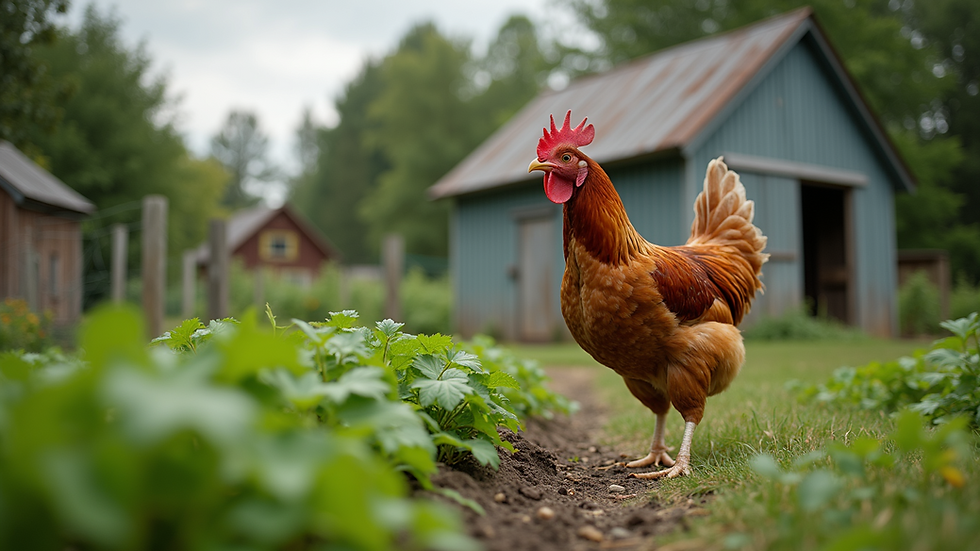
Chickens: Raising chickens is a popular choice for beginners. They provide fresh eggs and can help with pest control.
Goats: Goats are hardy animals that can provide milk and help clear brush.
Rabbits: Rabbits are easy to care for and can be a good source of meat.
Choose crops and animals that fit your lifestyle and goals. Start small and expand as you gain experience.
Building Your Homestead
Now that you have a plan, it is time to start building your homestead. Here are some key structures to consider:
Garden Beds: Raised garden beds can improve drainage and make it easier to manage your plants.
Chicken Coop: A secure chicken coop is essential for keeping your birds safe from predators.
Storage Shed: A shed can store tools, seeds, and other supplies. Keeping everything organized will save you time.
Compost Bin: A compost bin is a great way to recycle kitchen scraps and yard waste. It will provide nutrient-rich soil for your garden.
Building these structures may require some investment, but they will pay off in the long run.
Sustainable Practices
Sustainability is a key aspect of homesteading. Here are some practices to consider:
Crop Rotation: Rotate your crops each season to maintain soil health and reduce pests.
Organic Methods: Use organic fertilizers and pest control methods to keep your farm chemical-free.
Water Conservation: Implement rainwater harvesting and drip irrigation systems to conserve water.
Permaculture: Explore permaculture principles to create a self-sustaining ecosystem on your homestead.
By adopting sustainable practices, you can create a thriving environment for your plants and animals.
Connecting with the Community
Building a homestead is not just about farming; it is also about community. Here are some ways to connect with others:
Local Farmers' Markets: Participate in farmers' markets to sell your produce and meet other local farmers.
Workshops and Classes: Attend workshops to learn new skills and share knowledge with fellow homesteaders.
Online Forums: Join online communities to ask questions and share experiences with others who share your passion.
Connecting with others can provide support and inspiration as you embark on your homesteading journey.
Overcoming Challenges
Every homesteader faces challenges. Here are some common issues and how to overcome them:
Pests: Use natural pest control methods, such as introducing beneficial insects or using organic sprays.
Weather: Be prepared for unexpected weather changes. Invest in row covers or greenhouses to protect your plants.
Time Management: Balancing work and homesteading can be tough. Create a schedule to manage your time effectively.
Remember, challenges are part of the journey. Stay flexible and adapt as needed.
Enjoying the Fruits of Your Labor
As your homestead grows, take time to enjoy the fruits of your labor. Here are some ways to celebrate your hard work:
Harvest Festivals: Host a harvest festival to share your bounty with friends and family.
Cooking: Experiment with new recipes using your homegrown produce. Cooking with fresh ingredients is incredibly rewarding.
Relaxation: Create a peaceful space to relax and enjoy the beauty of your homestead. This could be a garden bench or a hammock.
Taking time to appreciate your efforts will keep you motivated and connected to your homestead.
Final Thoughts on Your Homesteading Journey
Starting your own small farm homestead is a fulfilling adventure. It requires planning, hard work, and a willingness to learn. By following the steps outlined in this guide, you can create a thriving homestead that provides for you and your family.
Remember, every homesteader's journey is unique. Embrace the challenges and celebrate the successes. With patience and dedication, you can turn your dream of a small farm homestead into a reality.


Comments